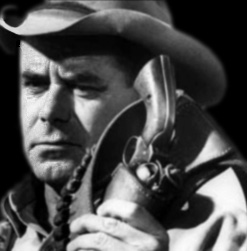
 The best way to describe Ford's career is to look at the 1978 version of Superman. The attention Marlon Brando received from the press for getting an excessively large sum of money for a flavorless bit part detracted from the overall movie. Meanwhile, Glenn Ford quietly turned in a solid performance as Superman's stepdad - without all the distraction of Brando - that added an honesty to the story of Superman's childhood. That's not to pick on Brando other than to contrast the difference between an overrated actor and an underrated one. Pound for pound, I'd take Ford's unassuming everyman to Brando's big star any day. He was fun to watch as a youth in such unsung western gems like Texas and Man From Colorado. He was brilliant and psychologically seductive in 3:10 To Yuma. He was believable as a teacher in Blackboard Jungle (such believability being outside the range of more glittery stars). Awesome as the revenge seeking cop in The Big Heat. In short, he was a stellar actor. May he rest in peace.
Thursday, August 31, 2006
Glenn Ford died
The best way to describe Ford's career is to look at the 1978 version of Superman. The attention Marlon Brando received from the press for getting an excessively large sum of money for a flavorless bit part detracted from the overall movie. Meanwhile, Glenn Ford quietly turned in a solid performance as Superman's stepdad - without all the distraction of Brando - that added an honesty to the story of Superman's childhood. That's not to pick on Brando other than to contrast the difference between an overrated actor and an underrated one. Pound for pound, I'd take Ford's unassuming everyman to Brando's big star any day. He was fun to watch as a youth in such unsung western gems like Texas and Man From Colorado. He was brilliant and psychologically seductive in 3:10 To Yuma. He was believable as a teacher in Blackboard Jungle (such believability being outside the range of more glittery stars). Awesome as the revenge seeking cop in The Big Heat. In short, he was a stellar actor. May he rest in peace.


Tuesday, August 29, 2006
Monday, August 28, 2006
Finknottle has no issue passing off his obligations
 His Assistant is filling in for him again, with more tall tales of island adventure - a few empty gestures of devotions toward Gus's Readers and of course, the few stray personal attacks on my character. I suspect that by the time they return from their fool's errand, that pathetic assistant will be entirely brainwashed into a mindless Figgy.
Friday, August 25, 2006
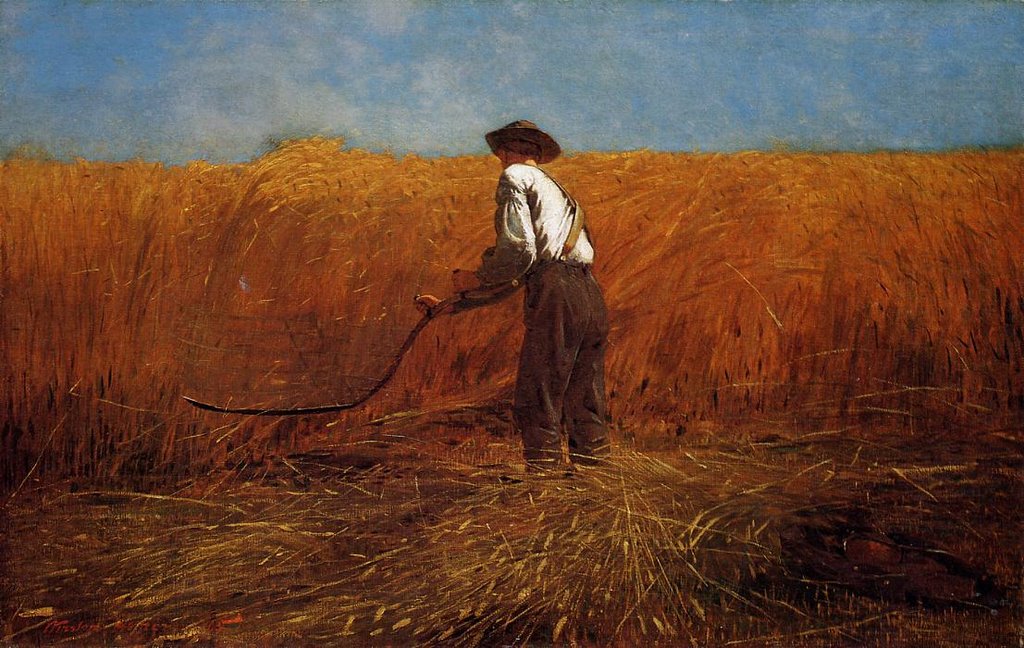
An Assortment of Winslow Homer
The Veteren in the Field (1865)
Long Beach, New Jersey (1869)
Rocky Coast and Gulls (1869)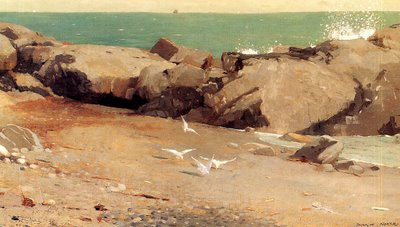
Boy With Anchor (1873)
Moonlight (1874)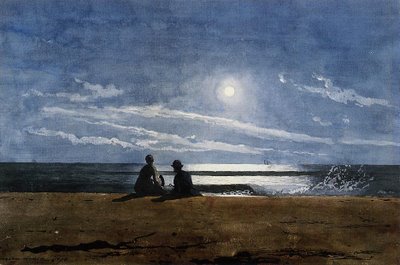
Long Beach, New Jersey (1869)

Rocky Coast and Gulls (1869)

Boy With Anchor (1873)

Moonlight (1874)

Saturday, August 19, 2006
The story progresses over at the Frontal Lobe
 Finknottle. The very name seems to drain Liverputty's financial resources. His Assistant continues the lavish, unbelievable ridiculous story of their travels in the South Pacific. Incidentally, someone should inform Funkdiddle that Google Earth does not track radioactive lug nuts in real time. If it did, we would not have lost track of them in the first place. As such, I cannot guarantee the safety or well-being of his precious word juicer.
Wednesday, August 16, 2006
Finknottle is exceeding expectations
 He has submitted another column. If you ever wondered how old Finknottle is, you'll wonder even more just how old Finknottle's mother is. A crustier more wrinkled gal you'd be hard-pressed to find. She's the only woman I know who offers to cook up a traditional Byzantine dinner.
Monday, August 14, 2006
Finknottle has returned
 Rip Van Finkle apparently awoke right before siesta and sent the following ‘missive’. We reached an agreement whereabouts he agreed to pull his own weight instead of pawning of his writing duty – that is to say his only duty to his assistant, who will be relieved, at least part of the time, so that he can manage the fulfillment of the other part of the agreement: The party of the second part shall utilize all resources and aid available in order to cleanse daily the body of the party of the second part. Finknottle agreed to the terms in exchange for a simple request: that his word juicer remain unmolested in the Liverputty offices. For some fool reason, Finknottle and his personal groomer believe that I have something other than contempt for that hazardous mouse-trap which endangers the entire staff. What those two assume is a desire to steal the juicer is actually a desire to have in removed by men in hazmat suits (so that we can take our suits off!). So it was a small concession to get a few more posts from him before he breaks this treaty. Who knows where this story is heading – and who cares if it is true?
Saturday, August 12, 2006
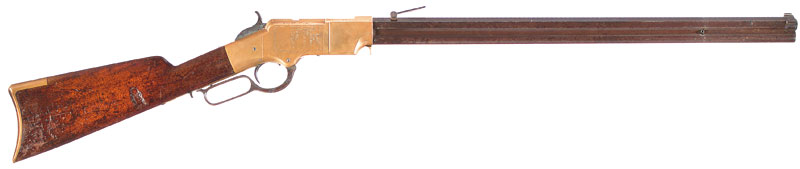
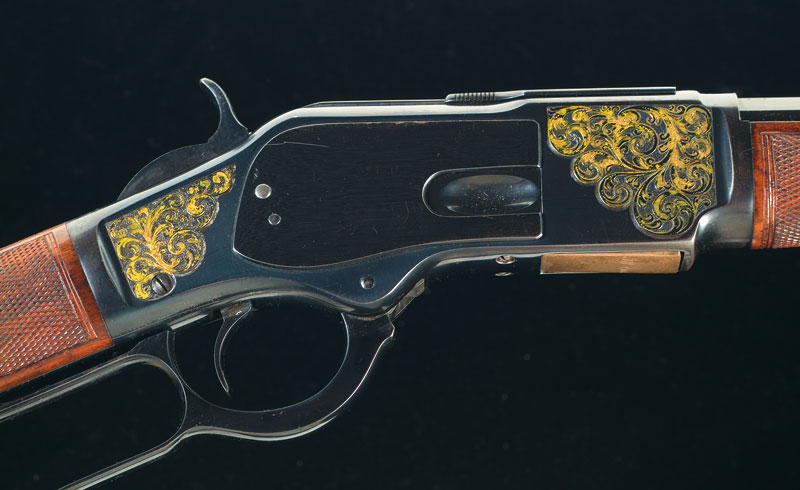
Farm Boy Parsley Reports from the Gun Show
by Charlie Parsley
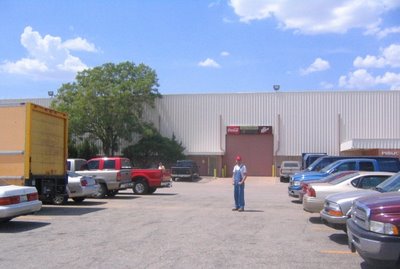
Attendance at the gun show was light. It was quite like a gun flea market: casual, folksy, quiet and uneventful. As gun shows are a regular local event, this particular weekend must have been nothing special. What is it that would fill the wide aisles of the Expo Arena Building at the Fairgrounds? A celebrity appearance? More girls in bikinis? Unleashed bunnies?
Sadly and surprisingly there were no bikini clad hotties giving out samples of anything. PR departments are snoozing on an untapped market.
 A full ninety percent of attendees would apply to the profile of ‘redneck’ in the male category, the majority of them not being particularly pleasant to look at. Those few who fell between the fast food enhanced beer belly over-sized and the cigarette-thin profile of the tobacco smokers were of the ‘regular guy’ variety. None of them had their shirts off. A handful of teenagers were included as well as one African American guy whom we shall discuss later. The remaining ten percent of attendees were rednecks of the female type, children, old old guys in wheelchairs and security.
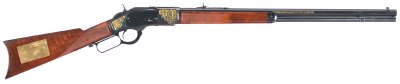
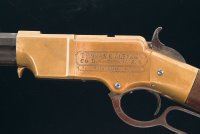
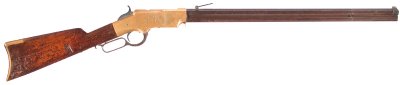
The guns available presented a variety of sizes, styles and colors from which to choose. Rifles appeared to be popular. Or perhaps, rifles were noticeably popular. However, pistols and/or handguns might have been present upon the patrons but not visible. Therefore handguns might have been more popular. The reporter does not know.
 The reporter reporting herein failed in the reporting basics. No meaningful interviews were held with the vendors, as they were only interested in talking with you if you were really going to buy a gun. It seemed imprudent to strike up a conversation with a patron in order to ask them about their motivation for purchasing a gun. Yet extensive notes were taken.
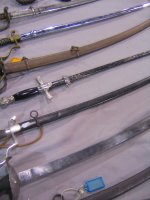
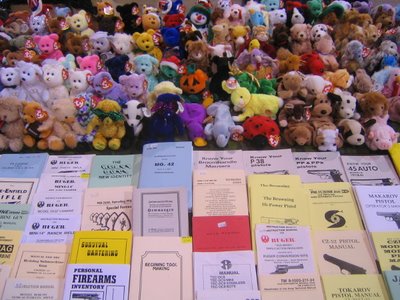
A variety of additional supplies to the gun purchaser was presented among the guns such as holsters, flak jackets, bullets, pellets, knives, swords, brass knuckles, grenades, military patches, a variety of flags and bumper stickers, popcorn, instructional booklets for the guns and other ‘official use’ books, caps, boots, sunglasses, stainless steel and ‘diamonique’ jewelry, toy guns, action figures and beanie babies. Suspicions about the need or usage of beanie babies among the gun purchasers flared from wild speculation about the ease of concealment and unassuming camouflage of the beanie baby until it subsided with the boring realization that they were merely another object of collection.
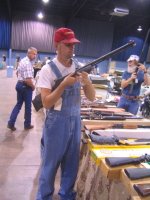 As one may properly view the intent of purchasing guns to be not undissimilar from motivations of purchases of kitchen appliances, decorative glass beads, Elvis Presley photographs, or thimbles. These are the objects of collectors. The additional gun-related items available are such that appeal to a collector: military memorabilia, toys, ball caps, ugly sparkly jewelry. This returns us to the flea market atmosphere with its dry and desperate capitalistic concerns scorching the conversations.
For indeed there was nary a conflict nor raised voice among the participants. Observation revealed a total lack of activist presence in the capacity of NRA rah-rahism, hunting club membership outreach, political campaigning of any sort, coupons for fast food, cardboard ID lube trash containers, costumed characters or free beer. Furthermore, outside of the building in the parking lot was a complete lack of feminist activists denigrating the misogynistic male on male phallic worship going on inside or PETA protestors with red acrylic paint.
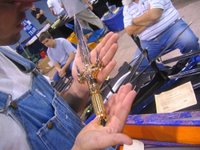 The reporter’s plan to pose as a ‘beginner’ in order to draw insightful advice or titillating suggestions utterly failed as this disguise is sadly no ruse. The wearing of overalls conceals any and all semblance of anything... unordinary... nearly to the point of invisibility. While this provides concepts for a sci-fi character storyline the reporter fears it contributed little to this report.
Gun purchase motivation may only be conjectured until meaningful polling is conducted. As polls are easily misconstrued, manipulated, sometimes unapplicable and generally disregarded, conjecture will stand as a reasonable alternative.
Guns are acquired in order to shoot bullets. There is however one exception to this rule: guns that are acquired in order to probably not fire bullets. These guns would belong to a person of ‘collector’ status, (see above) wherein ‘collector’ guns are acquired for reasons other than bullet firing: status, importance, joy, show-offishness, dumb-assness, military or family history relevance. Etc.
Returning then to guns that are acquired in order to shoot bullets. Bullets may be aimed at the following targets:
1) Targets. Of the paper or tin can variety. This would be the most benign use of a bullet. In this category the sport of gun firing, whatever that sport is named.
2) Critters. Such as squirrels, rats, opossums, raccoons, beavers, snatches, fuzz humpers and jay-jays.
3) Neighbors and relatives. In the unmalevolent and excusable sense of misfiring.
4) Hunting. Larger animals. Malevolent yet excusable.
5) Intruders. In a personal sense, such as burglary and thievery. Again, bullet use ‘with intent’ in this case is excusable.
 6) Invaders. In the national sense. Russians, Germans, Canadians, Mexicans, Iranians, Turks, Pakistanis, French, Australian. Etc.
7) Road Rage. Not cool generally, but to be considered on a case-by-case basis.
8) General anger. Although we have heard again and again to use words in stead of weapons, the pen is mightier than the sword... sometimes nothing ‘makes a point’ like a gun. Malevolent usage in this instance is generally inadvisable and usually inexcusable.
9) Cash. Often the bullet factor is not necessary in gun usage for financial exchanges. When bullets are utilized in this instance it is generally unnecessary and inappropriate.
10) Other. (Various other reasons for firing bullets.) Fourth of July for example. Halloween. Christmas. Weddings.
This analysis is necessary to assess the gun’s purchaser through empirical observation:
Camouflage, body odor and facial hair = Hunting
 Overalls and beer belly = Critters
Overalls, beer belly and wheelchair = Military Enthusiasm
Teenager (uninterested in knives or throwing stars) = dumb-assness
Baggy white t-shirt, Baggy jeans, purple bandanna, chunky jewelry, skewed ballcap with hand upon genitals at all times = Armadillos, to be sure
Conclusion: no particular conclusion. Will compare to livestock show in September.

Attendance at the gun show was light. It was quite like a gun flea market: casual, folksy, quiet and uneventful. As gun shows are a regular local event, this particular weekend must have been nothing special. What is it that would fill the wide aisles of the Expo Arena Building at the Fairgrounds? A celebrity appearance? More girls in bikinis? Unleashed bunnies?
Sadly and surprisingly there were no bikini clad hotties giving out samples of anything. PR departments are snoozing on an untapped market.
 A full ninety percent of attendees would apply to the profile of ‘redneck’ in the male category, the majority of them not being particularly pleasant to look at. Those few who fell between the fast food enhanced beer belly over-sized and the cigarette-thin profile of the tobacco smokers were of the ‘regular guy’ variety. None of them had their shirts off. A handful of teenagers were included as well as one African American guy whom we shall discuss later. The remaining ten percent of attendees were rednecks of the female type, children, old old guys in wheelchairs and security.
The guns available presented a variety of sizes, styles and colors from which to choose. Rifles appeared to be popular. Or perhaps, rifles were noticeably popular. However, pistols and/or handguns might have been present upon the patrons but not visible. Therefore handguns might have been more popular. The reporter does not know.
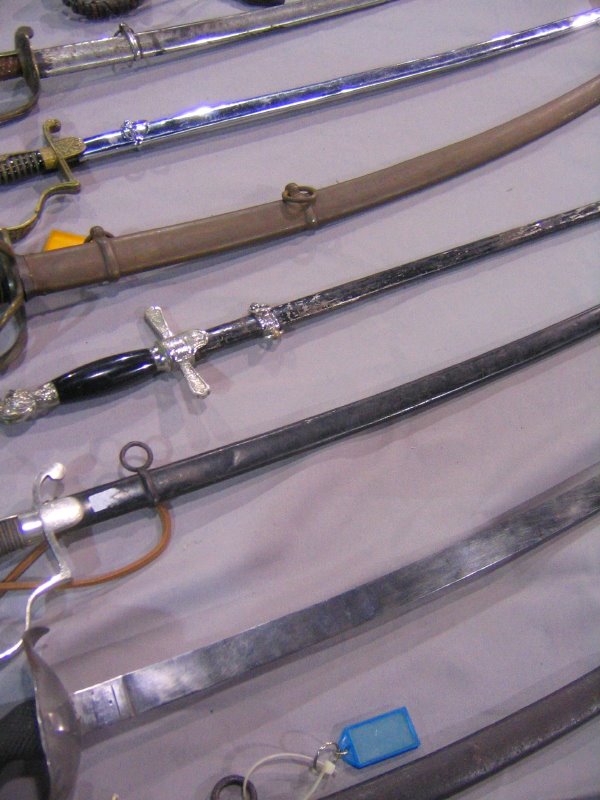 The reporter reporting herein failed in the reporting basics. No meaningful interviews were held with the vendors, as they were only interested in talking with you if you were really going to buy a gun. It seemed imprudent to strike up a conversation with a patron in order to ask them about their motivation for purchasing a gun. Yet extensive notes were taken.
A variety of additional supplies to the gun purchaser was presented among the guns such as holsters, flak jackets, bullets, pellets, knives, swords, brass knuckles, grenades, military patches, a variety of flags and bumper stickers, popcorn, instructional booklets for the guns and other ‘official use’ books, caps, boots, sunglasses, stainless steel and ‘diamonique’ jewelry, toy guns, action figures and beanie babies. Suspicions about the need or usage of beanie babies among the gun purchasers flared from wild speculation about the ease of concealment and unassuming camouflage of the beanie baby until it subsided with the boring realization that they were merely another object of collection.
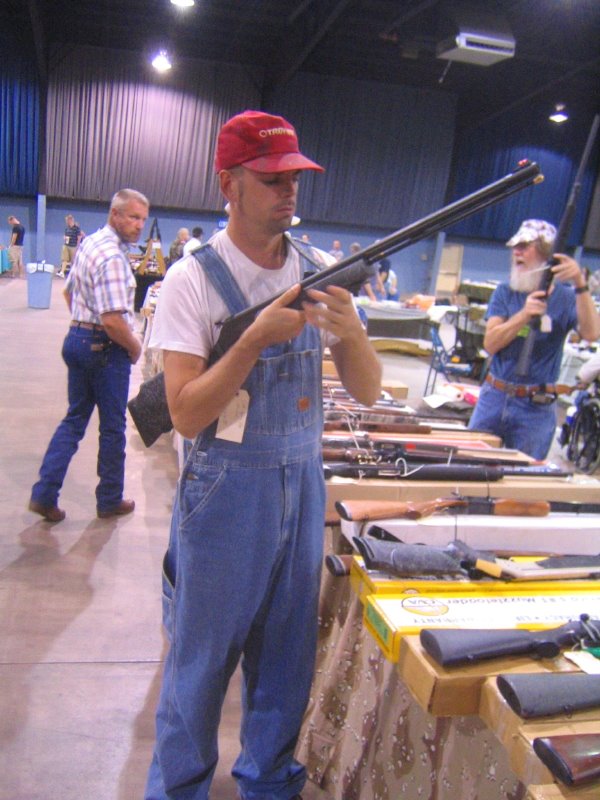 As one may properly view the intent of purchasing guns to be not undissimilar from motivations of purchases of kitchen appliances, decorative glass beads, Elvis Presley photographs, or thimbles. These are the objects of collectors. The additional gun-related items available are such that appeal to a collector: military memorabilia, toys, ball caps, ugly sparkly jewelry. This returns us to the flea market atmosphere with its dry and desperate capitalistic concerns scorching the conversations.
For indeed there was nary a conflict nor raised voice among the participants. Observation revealed a total lack of activist presence in the capacity of NRA rah-rahism, hunting club membership outreach, political campaigning of any sort, coupons for fast food, cardboard ID lube trash containers, costumed characters or free beer. Furthermore, outside of the building in the parking lot was a complete lack of feminist activists denigrating the misogynistic male on male phallic worship going on inside or PETA protestors with red acrylic paint.
 The reporter’s plan to pose as a ‘beginner’ in order to draw insightful advice or titillating suggestions utterly failed as this disguise is sadly no ruse. The wearing of overalls conceals any and all semblance of anything... unordinary... nearly to the point of invisibility. While this provides concepts for a sci-fi character storyline the reporter fears it contributed little to this report.
Gun purchase motivation may only be conjectured until meaningful polling is conducted. As polls are easily misconstrued, manipulated, sometimes unapplicable and generally disregarded, conjecture will stand as a reasonable alternative.
Guns are acquired in order to shoot bullets. There is however one exception to this rule: guns that are acquired in order to probably not fire bullets. These guns would belong to a person of ‘collector’ status, (see above) wherein ‘collector’ guns are acquired for reasons other than bullet firing: status, importance, joy, show-offishness, dumb-assness, military or family history relevance. Etc.
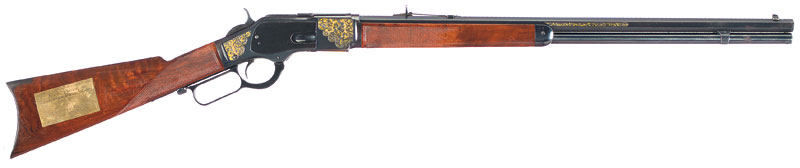
Returning then to guns that are acquired in order to shoot bullets. Bullets may be aimed at the following targets:
1) Targets. Of the paper or tin can variety. This would be the most benign use of a bullet. In this category the sport of gun firing, whatever that sport is named.
2) Critters. Such as squirrels, rats, opossums, raccoons, beavers, snatches, fuzz humpers and jay-jays.
3) Neighbors and relatives. In the unmalevolent and excusable sense of misfiring.
4) Hunting. Larger animals. Malevolent yet excusable.
5) Intruders. In a personal sense, such as burglary and thievery. Again, bullet use ‘with intent’ in this case is excusable.
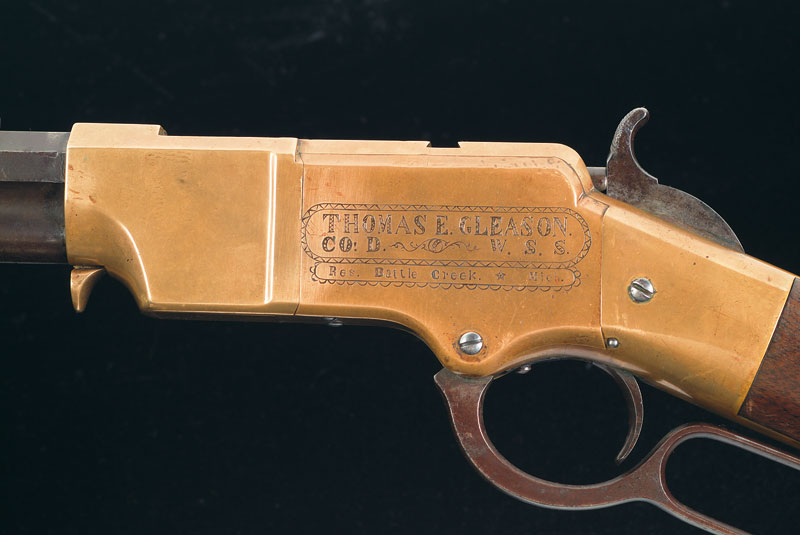 6) Invaders. In the national sense. Russians, Germans, Canadians, Mexicans, Iranians, Turks, Pakistanis, French, Australian. Etc.
7) Road Rage. Not cool generally, but to be considered on a case-by-case basis.
8) General anger. Although we have heard again and again to use words in stead of weapons, the pen is mightier than the sword... sometimes nothing ‘makes a point’ like a gun. Malevolent usage in this instance is generally inadvisable and usually inexcusable.
9) Cash. Often the bullet factor is not necessary in gun usage for financial exchanges. When bullets are utilized in this instance it is generally unnecessary and inappropriate.
10) Other. (Various other reasons for firing bullets.) Fourth of July for example. Halloween. Christmas. Weddings.
This analysis is necessary to assess the gun’s purchaser through empirical observation:
Camouflage, body odor and facial hair = Hunting
 Overalls and beer belly = Critters
Overalls, beer belly and wheelchair = Military Enthusiasm
Teenager (uninterested in knives or throwing stars) = dumb-assness
Baggy white t-shirt, Baggy jeans, purple bandanna, chunky jewelry, skewed ballcap with hand upon genitals at all times = Armadillos, to be sure
Conclusion: no particular conclusion. Will compare to livestock show in September.

Thursday, August 10, 2006
Finknottle's Assistant is still doing Finknottle's work...
 Perhaps we will just start writing out the paycheck directly to that hapless bamboozled little squirt. Of course, Liverputty never intended to hire fiction writers, but I suppose it's better than an advice columnist with severe mental issues who doesn't show up from work. As far as the real story goes, who knows where in the heck Finkfizzle is. His landlady claims that he hasn't been around there in weeks and the disappearance of the foul odor that once permeated every story of that building seems to back up her claims. Incidentally, if you happen to meet Funkwizzle and shake his hand and two days later wonder how you can get rid of the smell, much of our staff has had good luck with tomato juice. Or I should say, spread the tomato juice on the areas of contact, let set for 5 to 10 minutes; shower; then shower with clorox and shower again. You'll still notice a slight smell, but at least it will be bearable.
Sunday, August 06, 2006
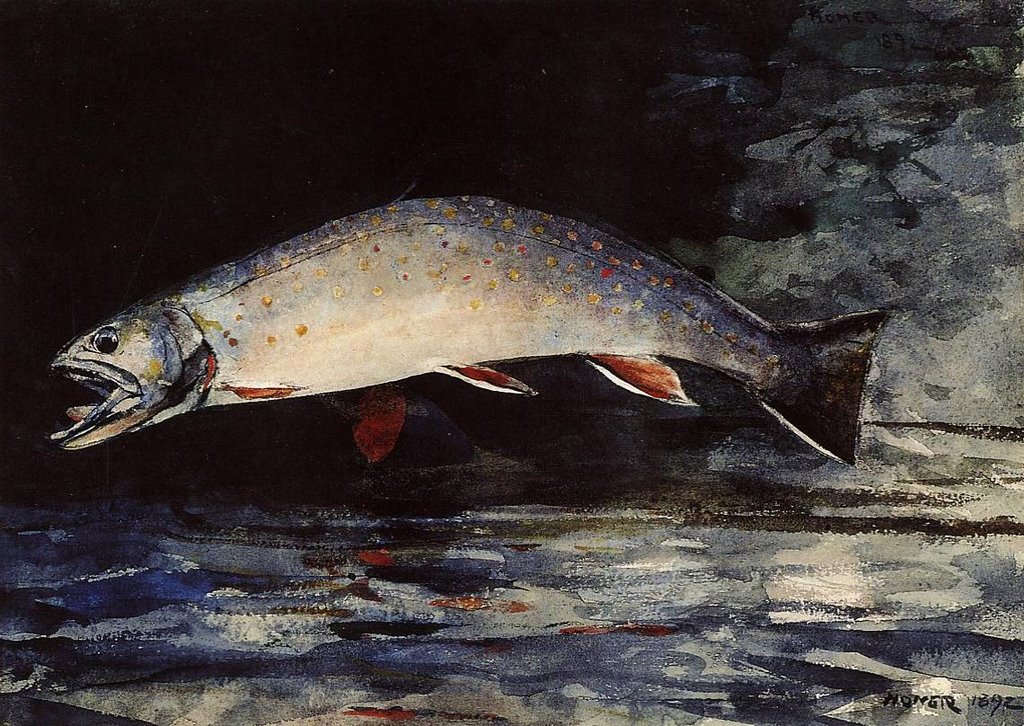
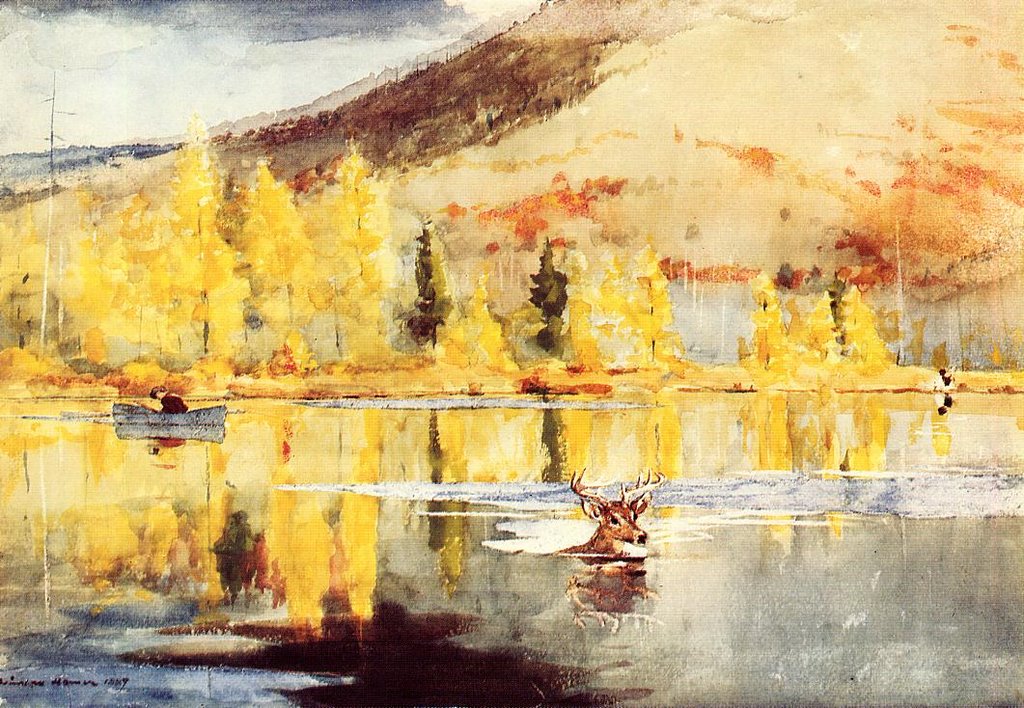
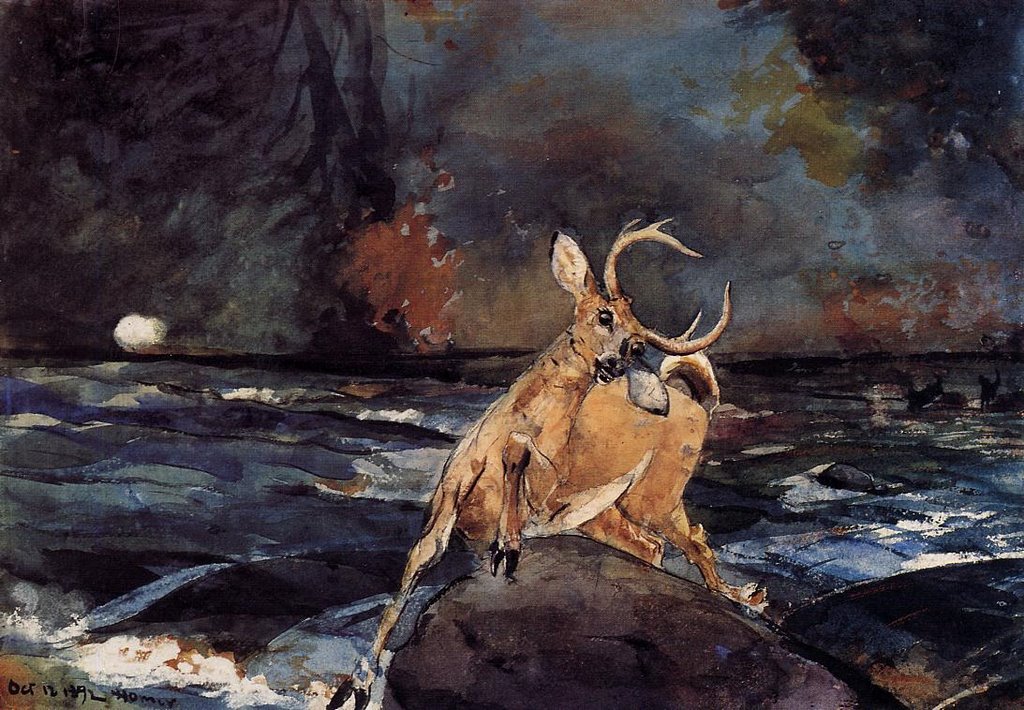
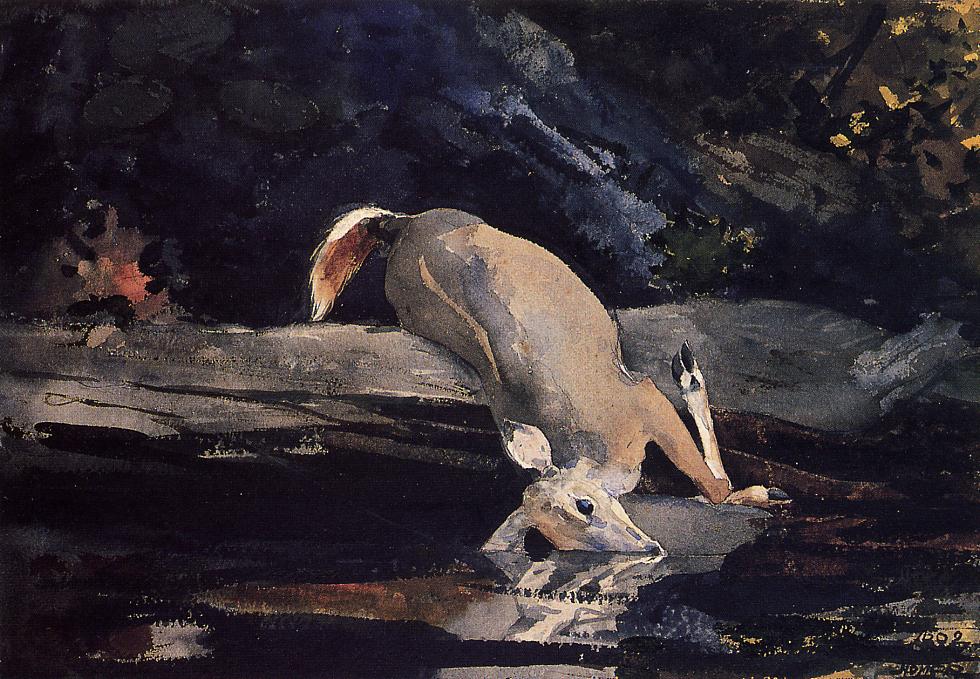
Winslow Homer: master of watercolors
The Red Canoe (1889)

A Brook Trout (1892)
Adirondack Lake (1889)

An October Day (1889)
The Adirondack Guide (1889)

A Good Shot (1892)
Fallen Deer (1892)
Wednesday, August 02, 2006
Top Hat, it’s entertainment
 Sean Penn once said during a panel discussion that films should be serious. They should have a ‘message’, a story of substance, something with drama, instead of light entertainment. Mr. Penn says that when he is interested in entertainment, he prefers “two hookers and an eight ball”. As some of us do not share a preference for this particular formula for entertainment, we do find reason for its placement in movies. Think of those two eyeless masks that represent the theater: one of them is smiling.
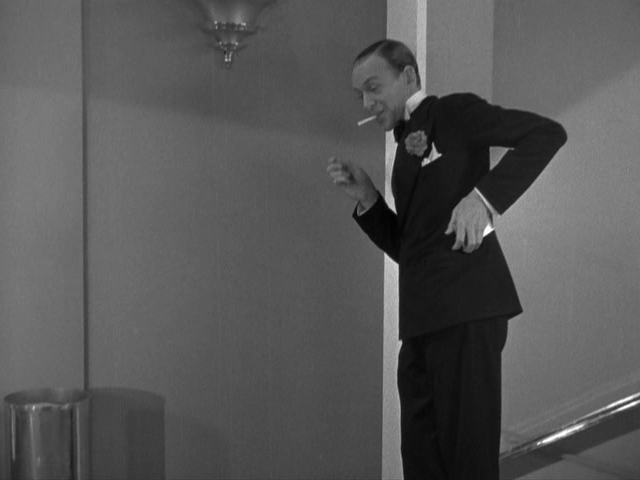 Top Hat is nothing if not a big smile. The very handsome Fred Astaire plays a well-known dancer named Jerry Travers, visiting London to star in a show produced by his friend Horace. Lovely Ginger Rogers plays Dale Tremont, a well-to-do society girl who becomes enchanted with Jerry until a misunderstanding changes her opinion of him.
Dale’s ‘simple misunderstanding’ about Jerry becomes the device that turns the plot. This creates confusing and uncomfortable situations for Dale, but because we, the audience, are aware of Dale’s misperception, we find these situations amusing. This one misunderstanding dictates almost all of the interactions among the characters, aside from the secondary story of Jerry Traver’s theater appearance, which provides opportunity for song and dance. This one misunderstanding produces predictable conflicts with predictable results once the misunderstanding is explained. It becomes evident early on that Dale’s confusion, and the story, will be happily resolved once the truth is revealed. It makes sense. Simple mistakes can be easily resolved.
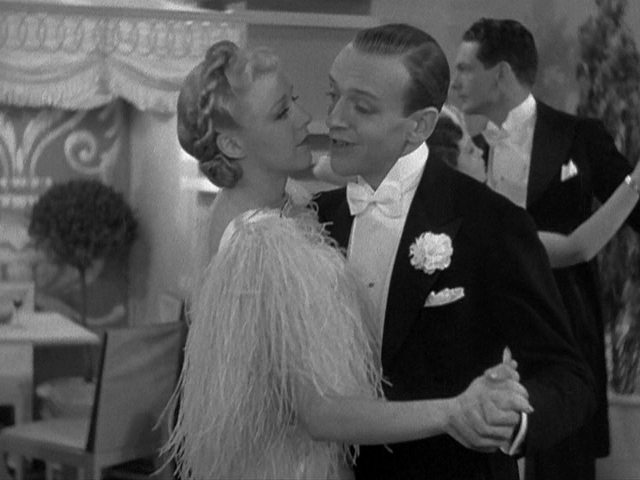 Dale’s misperception persists day after day through carefully misleading dialogue and impossibly well-timed exits and entrances which create additional humor. This demands a suspension of disbelief from the audience, understanding that fortuitously timed entrances are a staged entertainment very much like the song and dance numbers.
A lot of comedies transpire around two lovers who are caught up in their infatuation, reading the signs along their road to discovery. In addition to the comedy in comedies, guys would be wise to observe the actions and interactions of the lovestruck protagonists. They demonstrate a variety of ways and means of wooing an object of affection. When Jerry meets Dale for the first time, he has disturbed her sleep and she is in a disagreeable mood. In spite of her displeasure with him, Jerry is bold and assertive with her as he attempts to win her friendship. Although Dale is wary and suspicious, Jerry, using humor in a last ditch effort to gain her affection, manages to bring a smile to her stern face. His strong assertiveness leaves little question about who will likely wind up in his arms when the credits roll.
 Would Mr. Penn claim that is this not an admirable aim for a film: providing lessons in love? What if Mel Gibson could tell us What Women Really Want? Life lessons in classy restaurants are not so different and just as important as those upon battlefield: principles of maneuvering, techniques of gathering of intelligence, and strategies for victory.
Top Hat, a musical with a lot of song and dance, includes a few marvelous characters with a gay sensibility. They are all quite at home in the upper class setting where sophisticated tastes and genteel demeanors are prized attributes. The tongue-in-cheek dialogue, while heavy with humor, makes inferences both subtle and bold. Eric Blore plays the valet Bates with a grand comic flair. His gratuitous eye-rolling and self-flattering formality are graced with a touch of femininity, providing a soft counterpoint to his master Horace and guest Jerry.
 A much stronger characterization appears with Erik Rhodes as Alberto Bettini, a fashion designer. Alberto designs smart clothing for Dale, and travels with her to insure that she looks her best... in his designs. He expresses a love for both his wonderful designs as well as Dale, but he displays a passionate devotion to the former. When he disagrees with her and storms out of the room he declares, “Never again will I allow women to wear my dresses!” One can easily imagine the men that might wear his dresses. Later in the film, he has the opportunity to say, “Help! There is a man in my bed!”
Top Hat is a wonderful film of lighthearted humor. It blends lovely song and dance numbers with a charming romantic tale. Although the story is sometimes unbelievable, it generates wry and clever humor.
Tuesday, August 01, 2006
Congrats to Wagstaff on a job well done!
 His Bad News Bears appreciation has gotten some nice attention - most notably at Sergio Leone and the Infield Fly Rule where his post made up Mr. Cozzalio's entire weekly roundup from last week, and on The Sheila Variations who says it's not to be missed. And rumor has it that Bear team-mates have seen the post. Good show, Wagstaff!
Saturday, July 29, 2006
Unjustified Expectations of Sagacity--or--the Ricky Martin Connundrum

Your beloved Blot, high on the plaudits of fellow Liverputtians, had planned a searing essay on the vicissitudes of life in the former East Germany, when he ran into an inconvenient fact: he did not know enough and was too lazy to research it thoroughly. Therefore he--I, for we are the same person--has chosen the path of the poorly-researched, unbalanced, and misinformed screed.
 A week or so ago, Scott Rasmussen released a survey revealing that Angelina Jolie had, at 46%, a significantly higher approval rating than the president. My first reaction, without thinking, was "Gee, that's not bad in this season of anti-incumbency". For those of you who have been living under a rock the past few years, Ms. Jolie is a highly respected world leader, having been named a goodwill ambassador to the United Nations, placing her on the same rarefied plateau of international adulation and respect as Ricky Martin (another profound thinker). The line between artist and entertainer is notoriously difficult to delineate, and I am not going to start now. Except to say that some, most notably Keanu Reeves, are neither.
The beginning of the expectation both of, and from artists, that they not only have opinions of current events, but that it matters that they have them, and that they should publish them as broadly as possible, probably begins with Ludwig van Beethoven in 1803. Never a shy man, Beethoven was a strong republican (small r, not big R) and ardent supporter of Napolean. Having several times in letters praised Napolean's efforts at legal and social reforms as First Counsel of the French Republic, Beethoven dedicated his third symphony "Eroica"(that means heroic, not erotic, you adolescent sickos!) to the French dictator.
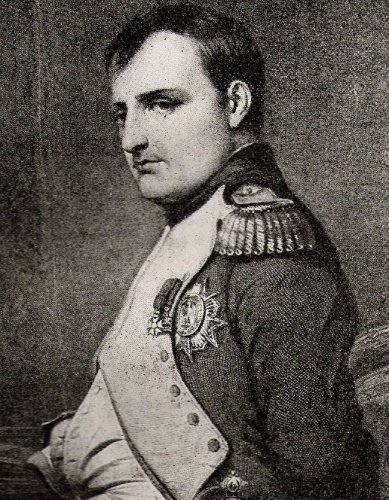 In 1804, Napolean, seeking the approval of the crowned heads of Europe, crowned himself Emporer of France. Beethoven, upon hearing the news, variously either viciously erased the name of Napolean at the top of the title page, or tore it in half (depending upon the teller of the tale), exclaiming "Now he will be worse than all of the rest of them." Ludwig, a brilliant man in his own bailiwick, had somehow not understood in the previous decade of imperialistic expansion, and personal power grabs, that Napolean was probably not the great republican that the self-appointed intelligentsia of Europe considered him to be. (In my experience, the intelligentsia are almost always self-appointed--no one else being intellectually qualified to do it).
In the years leading up to WWII, many artists of Jewish descent, as well as socialist or communist-sympathetic artists, fled Nazi Germany and Austria. They are generally applauded for their clear-headed analysis of the likely direction of the Nazi movement. With all due respect to these often fantastically gifted men and women; if one were Jewish, Socialist, or Communist, and did not leave Hitler's Germany immediately after the all-encompassing Enabling Act of 1934, one was quite, quite foolish. It was less generally clear for non-political, 'aryan' artists that Hitler would either co-opt them, or destroy them. It was not even clear until 1939 to the other European heads-of-state, that Hitler wanted the world, or as much of it as he could get. By then it was too late for most artists--or anybody else, for that matter--to leave.
 Emile Nolde, a painter (and father) of the Expressionist school, was, in the 1920's, very impressed with the Nazi mythology of the Germanic Folk, finding it compatible with his own personal philosphy. He had authored several anti-Semitic statements, and claimed that Expressionism was a uniquely 'Germanic' school. He supported the Nazi regime in the beginning, hoping, although Hitler as a failed artist was open in his hatred of modern "ugly" art, that Nolde's support of the regime would somehow spare him. He was wrong. His paintings were slowly expunged from museum collections and added, in 1937, to the exhibition of "Degenerate Art". He was personally forbidden to paint from 1941 on. After the war, because of his persecution by the Nazis, he was rapidly rehabilitated, and honored.
Arno Breker, a young, extremely gifted sculptor, was entranced by the highly visual, art-deco styling of Nazi propaganda, although little is known of his personal political opinions. He made the decision to leave Paris, where one of his chief admirers, Jean Cocteau, had considered him one of the most important young artists of the era, and return to Berlin. There he fell rapidly under the sponsorship and tutelage of Albert Speer, Hitler's architect, and became Hitler's 'favorite' sculptor. The young man donned an SS uniform to personally escort Hitler and Göring around newly-occupied Paris in 1940
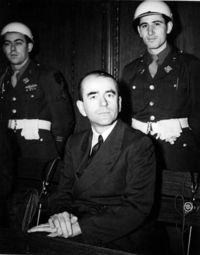 to take stock of the treasure trove of captured artworks. A sculptor of breathtaking technical ability, if less than breathtaking taste, his polished neo-classical realism fit well with the plastic creation of the idealized Nazi Superman. Just this week a retrospective opened of his surviving works (being a monumental sculptor, closely affiliated with Speer, 90% of his wartime and prewar statues and friezes were destroyed either during or in the immediate aftermath of WWII). This has occasioned great strife and discourse, calming down in the past couple of days into a long-delayed appraisal of Breker as an artist. Breker as a man has not been, and probably never will be fully understood.
Hugo Distler was, in 1933, a brilliant, completely unknown church musican and composer, only 25 years of age. He was far too obscure, and probably too naive to understand what the next decade would bring. One of my favorite composers of the 20th century, Distler achieved a great deal in his short life. As a devout Protestant, he immediately came under scrutiny by the paganized Nazis. His music, too modern to be a comfort to the Wagner and Bach-loving Hitler, was denounced (like Nolde) in 1937 as 'degenerate'. Despite
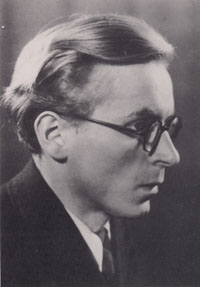 this early condemnation, Distler continued to compose and somehow continued to rise through the ranks of church musicians, taking in 1942, the position of choir master of the Lutheran Cathedral in Berlin (where Göring had his highly-publicized--and very late--society wedding). Little personal biographical information is known about Distler, which makes it hard to understand how the same year he took a highly visible and prestigous position in the heart of the capitol of the Third Reich, he took his own life at the age of 34. Ostensibly he was depressed by the ongoing war, the growing numbers of friends who had died, and the increasing likelihood of his being conscripted and sent to the meat grinder of the Russian front. It has also been speculated that he could not deal with the increasingly obtrusive Nazi Party demands on his compositional and performing output. Whatever the reason...and because of his relative obscurity, we will never know...Germany and the world lost a great talent--probably equal in abilty to the best the twentieth century had to offer.
 There are other, more famous examples of artists who ignored the Fascist menace; stayed, and in some cases, throve: Leni Riefenstahl, Richard Strauss, Herbert von Karajan, Wilhelm Furtwangler, Pietro Mascagni in Italy, and Ezra Pound, American poet, and Fascist apologist.
P.G. Wodehouse, a brilliant and almost completely apolitical writer, was caught in the French collapse of 1940 and spent the war in an internment center in Moravia. He did a series of lightly comic radio essays for the Nazis during the war, to be beamed to England. He did not, apparently, understand that they would be used as propaganda, and was deeply hurt after the war to find himself no longer welcome at home. He spent several years in lightly comic exile on Long Island, before finally being rehabilitated in the eyes of the British public.
I did not mean for this to be just about artists and fascism, but communism is another, and even larger topic. Research then rears its ugly head. And I'm lazy.
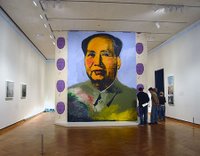 Being an artist has come to mean, over the past couple of hundred years, a complete intellectual and artistic investment in the human condition, rather than a narrow, but inspired exploration of pure art, in whatever medium. Mao considered art not have any existence outside of a political context. Unfortunately, more and more people seem to be convinced of that fantastically erroneous precept. Art can exist for Art's sake, alone. Artists, while brilliant and insightful in their own fields, when forced to give intellectual analysis of world events, are almost always in over their heads. I don't mean to excuse the actions of those who stayed behind. Most are to be pitied. But I do think that this ridiculous expectation that artists and entertainers be political sages as well, should find itself a rapid end.
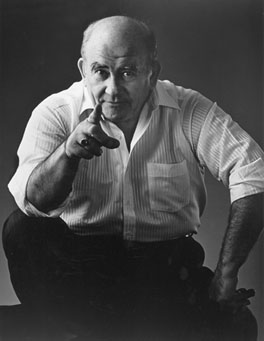 What makes the opinions of Angelina Jolie, Tim Robbins, Charlton Heston, Ed Asner, Chris Ofili, Daniel Barenboim, or the Dixie Chicks so valuable? They are neither significantly better informed, nor even marginally more intelligent than the general public; merely more prominent. The artists of the Third Reich were, unless personally threatened, equally unlikely to accurately judge the tenor of the times. It is thus unfair to put poor, inoffensive Ricky Martin in front a TV camera and ask him about the operations and aims of the World Health Organization. It's not his thing, and we should stop expecting him to make it so. Let him go back to being all ambiguous and androgynous, and apparently irresistible to teenage girls (as mystifying and disturbing as that may be). Ms. Jolie has a 46% approval rating. If she had ever been elected to anything, that might matter.
Screedily Yours,
Escutcheon Blot
P.S. I really am going on vacation now. I will be away from my desk until September. Happy August.
Thursday, July 27, 2006
What's this? Activity at the Frontal Lobe?
 Finknottle is still MIA, but his Assistant, poor soul, is filling in for him. I'm afraid that Finknottle's curious mind powers (effective on the weak willed) have bamboozled the lad into thinking Finknottle is some type of "good fellow" as he told me one time. How his Assistant can stand the odor from being around Gus is beyond me, but then, my cat prefers my smelly socks.
Tuesday, July 25, 2006
Finknottle has a lot to learn about responsibility
 And, incidentally, personal hygiene – but that’s neither here nor there. Although the Liverputty offices have had no contact with the columnist, himself, we have been in sporadic contact with his Assistant (hapless soul), who is traveling with Finknottle. He assures us that Finknottle is intent on returning at the earliest possible moment, though we are not exactly sure when that might be. In the interim, His Assistance promises to file a report on their status when the opportunity arises. We shall see.
We appreciate his readers’ patience during his absence and only wish that Finknottle was considerate enough to share that appreciation.
Sunday, July 23, 2006
Mysteries of the Human Condition: Nanook of the North and Grass: A Nation’s Battle for Life

Preferring factual to fictional storytelling, I enjoyed viewing these two titles identified as some of the first documentaries filmed. When the double feature concluded, rather than coming away with a pure documentary experience, I had many questions about the differences between fiction and non-fiction and the meanings of ‘documentary’ and ‘feature’.
 Nanook of the North (1922) is a noteworthy film. Witnessing the lives of an Eskimo tribe firsthand is fascinating, disturbing, perplexing, disgusting and at times, funny. It is a poignant portrayal of life.
Robert J. Flaherty, the explorer turned filmmaker, explains in an introductory text that Nanook was not his first attempt to film the Eskimo tribe. He filmed during a previous expedition, capturing random events while he lived with them. Returning home, he developed and edited together this first collection of film. When the editing was near completion, the film caught fire and “all was lost.” Whether this destruction was intentional or accidental is not clear, as Flaherty says that he felt the completed film was not good due to the lack of narrative.
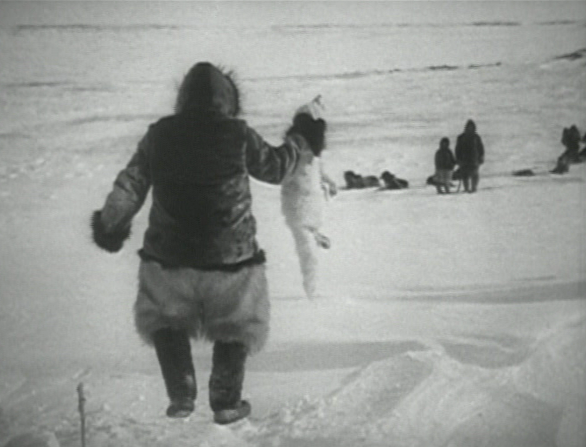 Reconsidering his objective, he decided to focus his attention on one family of Eskimos, and so he returned to film once more. His aim was to bring an emotional and personal aspect to the new film that the first attempt lacked.
Although the ‘story’ of Nanook’s family is unscripted, Flaherty approached them with a preconceived idea of what he would film. Accounting for decisions about what would and would not be filmed, the notion that he has captured ‘real life’ becomes vague.
 The Eskimos look directly at the camera, aware that they are being filmed. Flaherty even brought film processing equipment with him, so he could develop and view the reels as he shot them. The Eskimos viewed the reels as well and understood what was going on.
Furthermore, Flaherty intended to create a ‘feature’ film, as ‘features’ were popular in theaters at the time. He included aspects of features in his work such as dramatic narrative, characters with personalities, conflicts and resolutions. At 79 minutes, it was considered ‘feature length’ at the time. Flaherty simply chose to use unscripted, uncostumed non-actors in a natural setting. Long after its completion, others labeled Nanook as a documentary.
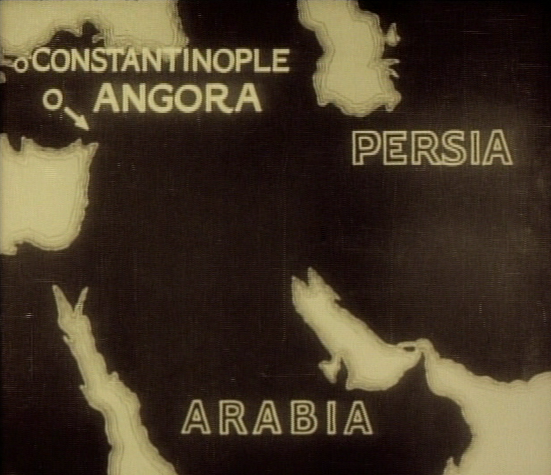 The difference between feature and documentary is even more blurred in Grass: A Nation’s Battle for Life. The film shows thousands of animals and ‘Forgotten People’ traversing vast deserts and towering mountains, migrating to greener pastures. The first characters shown in the film are the filmmakers, themselves, because during the film, they were behind the camera. It was thoughtful of them to feature themselves at the beginning.
Merian Cooper, the explorer who conceived the idea (not long after Nanook was created) to film the migration, is dressed in safari hat and smokes a pipe as he peers into the camera with a stern, thoughtful expression. Seated next to him is the boyishly handsome Ernest B. Schoedsack who, instead of looking into the camera, never takes his eyes off Merian. They silently banter in a masculine way that raises
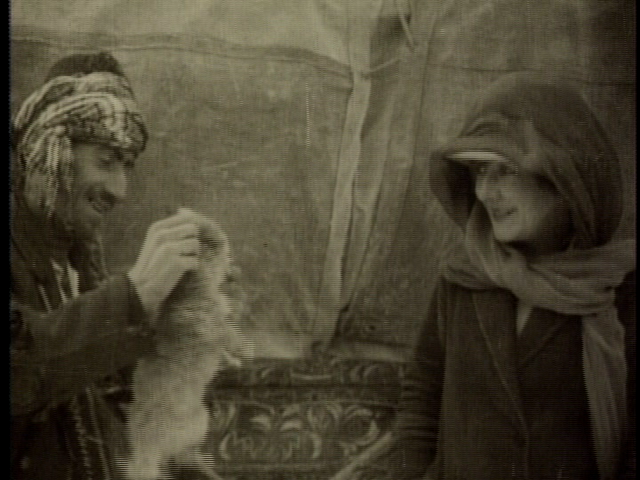 the eyebrows of those of us who know certain things. A third person is presented, separate from the two men. Marguerite Harrison, an ‘author and traveler’ is ‘shown here in her role’ of wearing dark lipstick and head scarf and tipping her head in a coy, tartish manner. One can only guess at what sorts of reasons Marguerite was included with the two men in the expedition. All of them come off as posers.
As in Nanook, witnessing the tribulations of native people living primitive lives is horrifying, enthralling, but really not at all humorous unless one is a person who would find amusement in seeing animals whipped and forced into incredibly harsh terrains. Referred to as the ‘Forgotten People’ of the East, the beduoin tribe is the focus of the film.
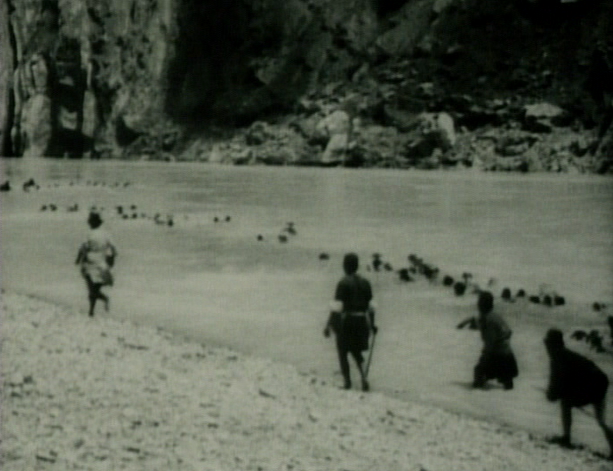
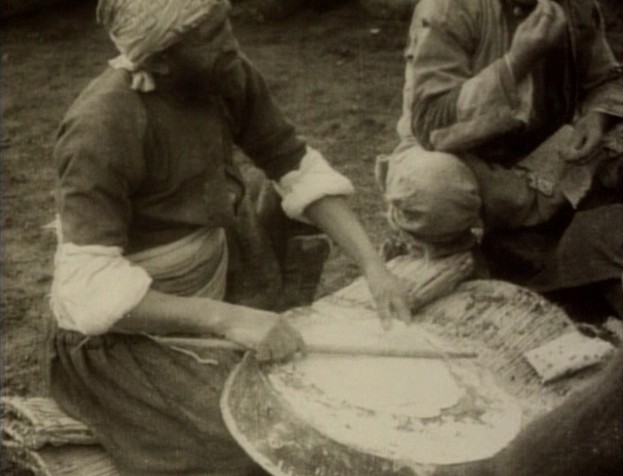 The titles throughout Grass provide more insights about the filmmakers’ attitudes rather than the film’s subjects. The migrants are regarded as objects of study, presented by the filmmakers to an audience like themselves, an audience that would be able to complete the phrase: “Everywhere that Mary went...” Joking remarks such as this appear between scenes of terrific hardship and make light of the agonizing journey, turning it into an awe-inspiring spectacle. It is the Victorian attitude about discovering, naming and classifying all of the oddments of the world for the entertainment of the well-to-do. King Kong. After viewing barelegged women and small children treading through swift moving rapids, we are reminded that “BRRRR! This water’s COLD!”
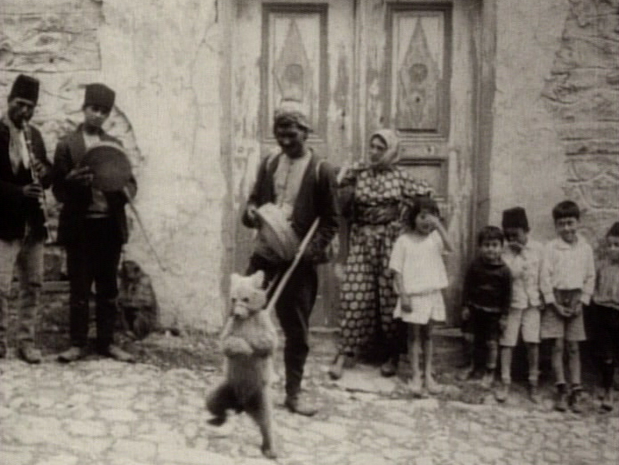 As the tribe is named ‘Forgotten People’, they are not attributed with any nationality or ethnicity. Only the tribe’s leader and his son are named, leaving the rest of the people in an ambiguous herd very much like the goats. Flaherty’s focus on Nanook’s family evokes a personal sympathy with the native people, which Cooper’s Grass lacks. Unfortunately, it helps this viewer understand how First World people can view Third World people as less than human. They live with and like animals.
The overreaching question, however, is: How in the hell can people live like this? The author, residing in rural Oklahoma, fully comprehends the paradoxical irony of this question. Regardless of the fiction/factual axiom in these films and despite the rough treatment of animals, they ultimately serve as a testament to the endurance and resourcefulness of mankind.
Subscribe to:
Posts (Atom)


.jpg)


